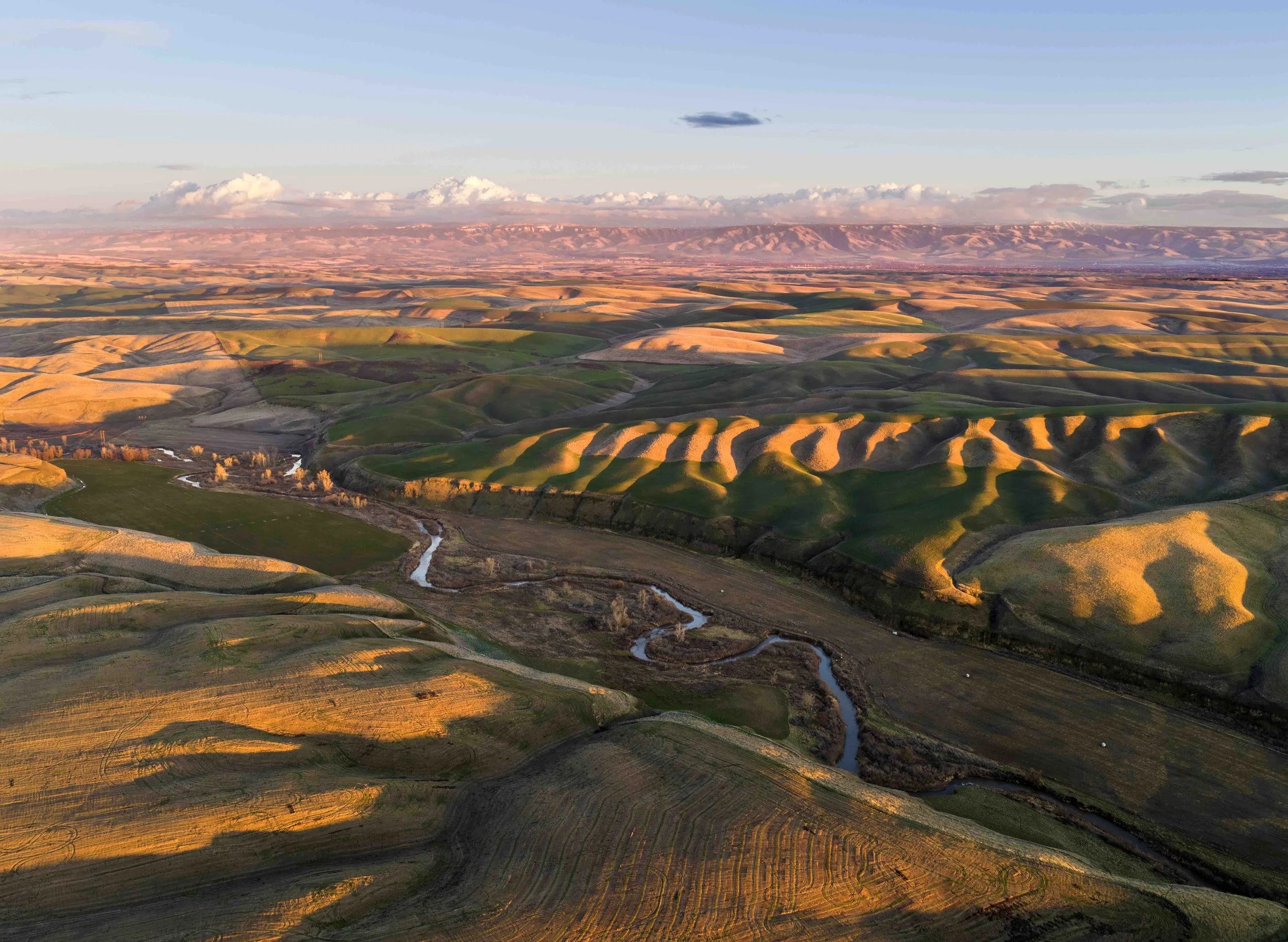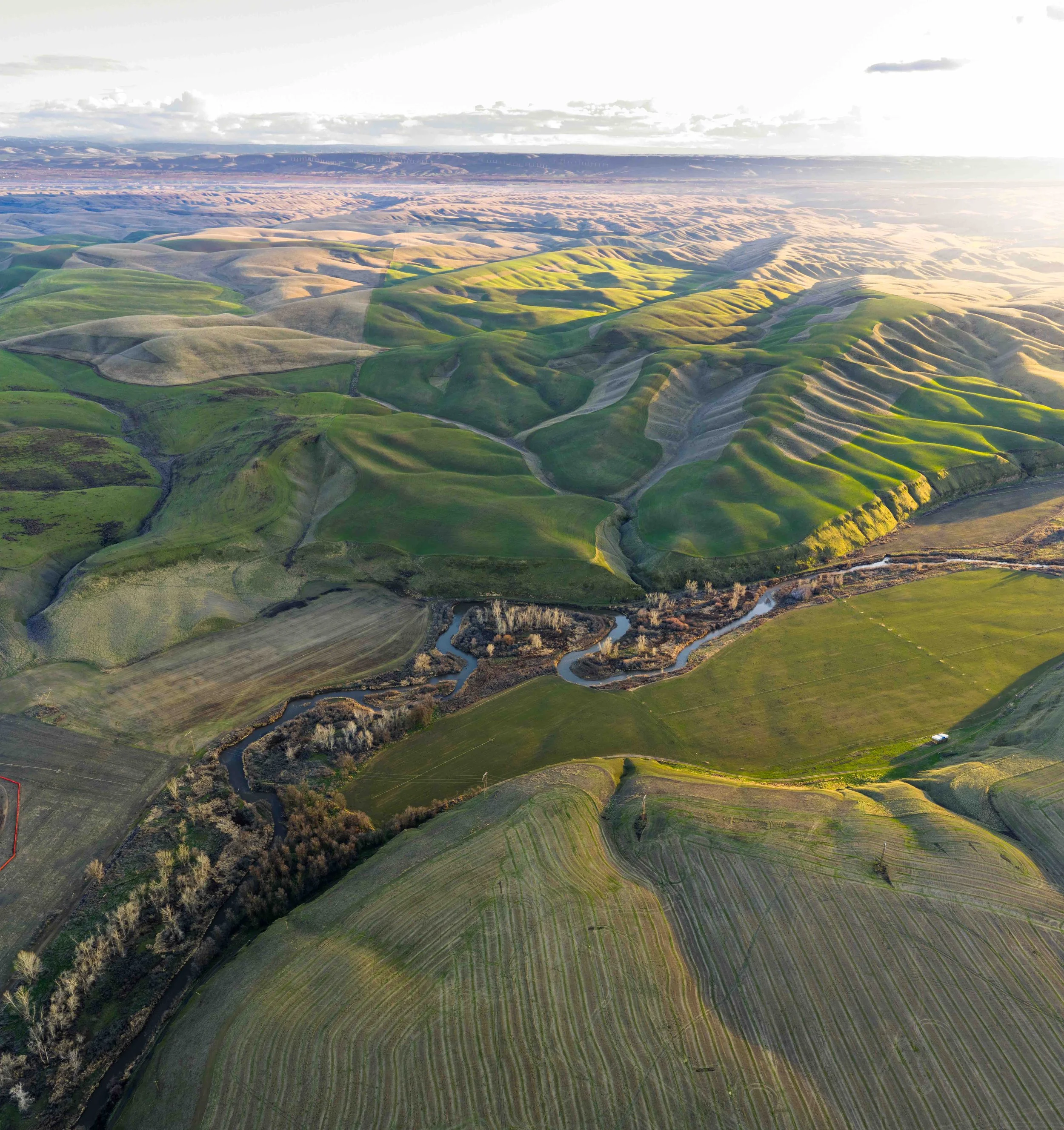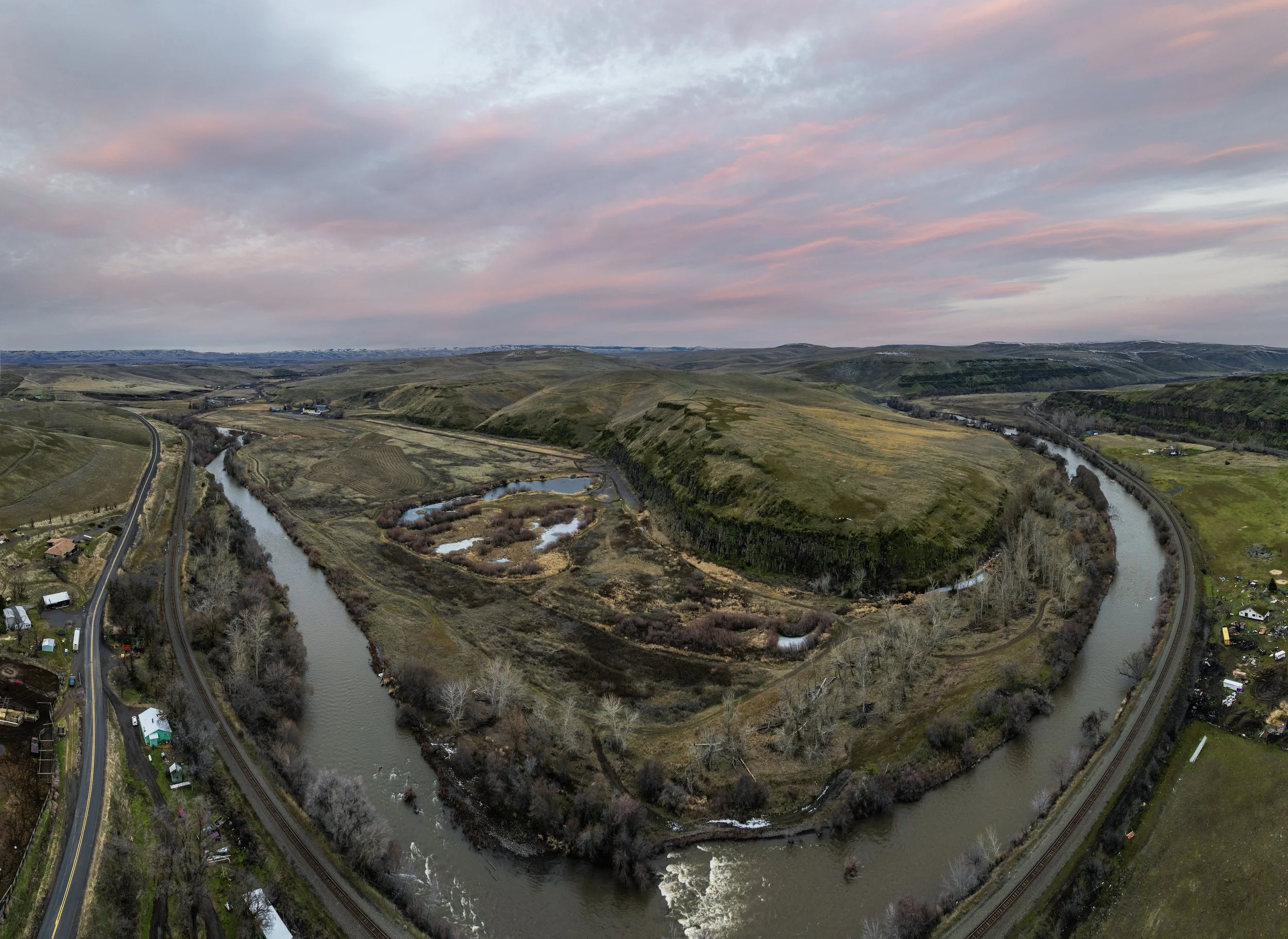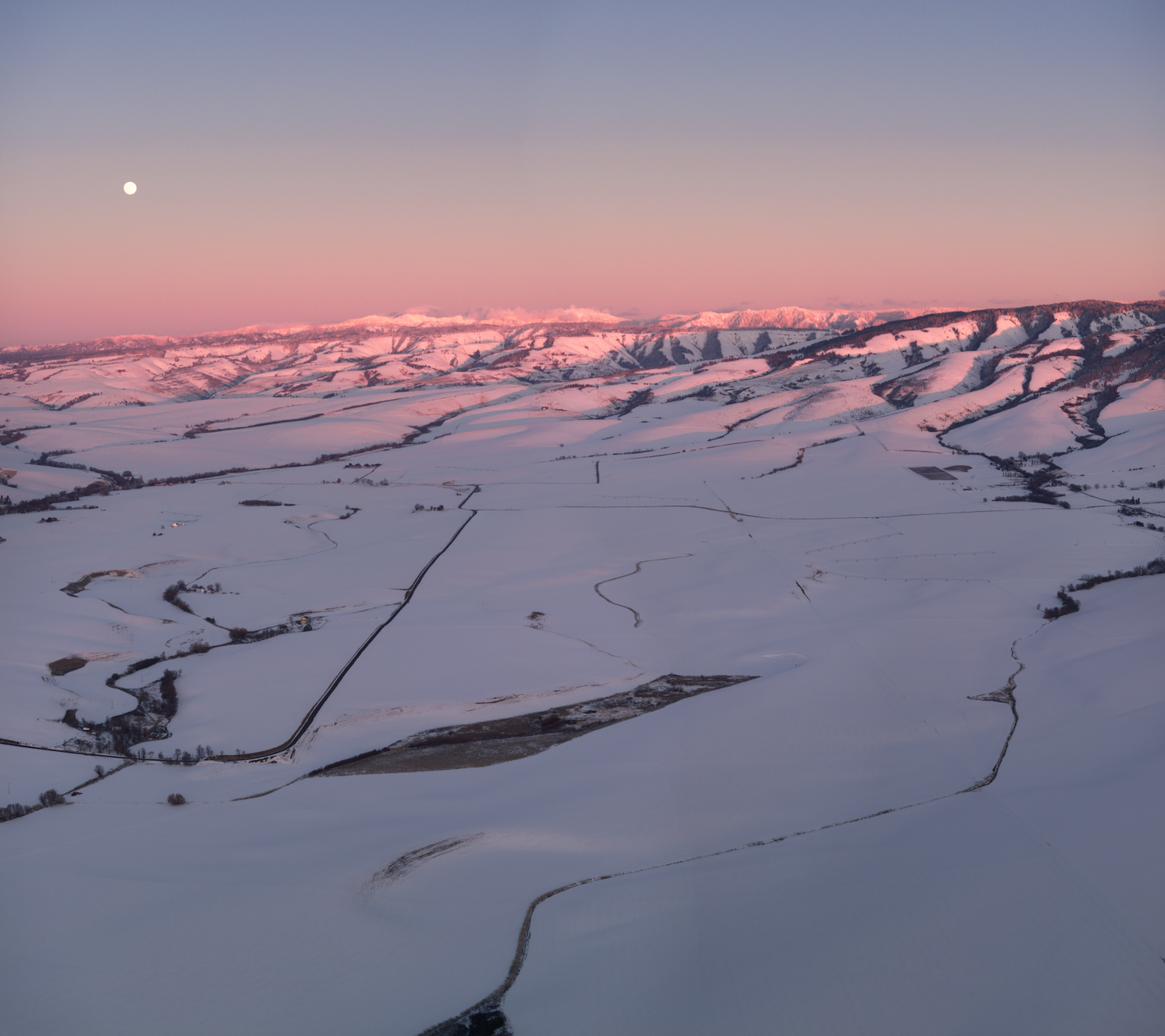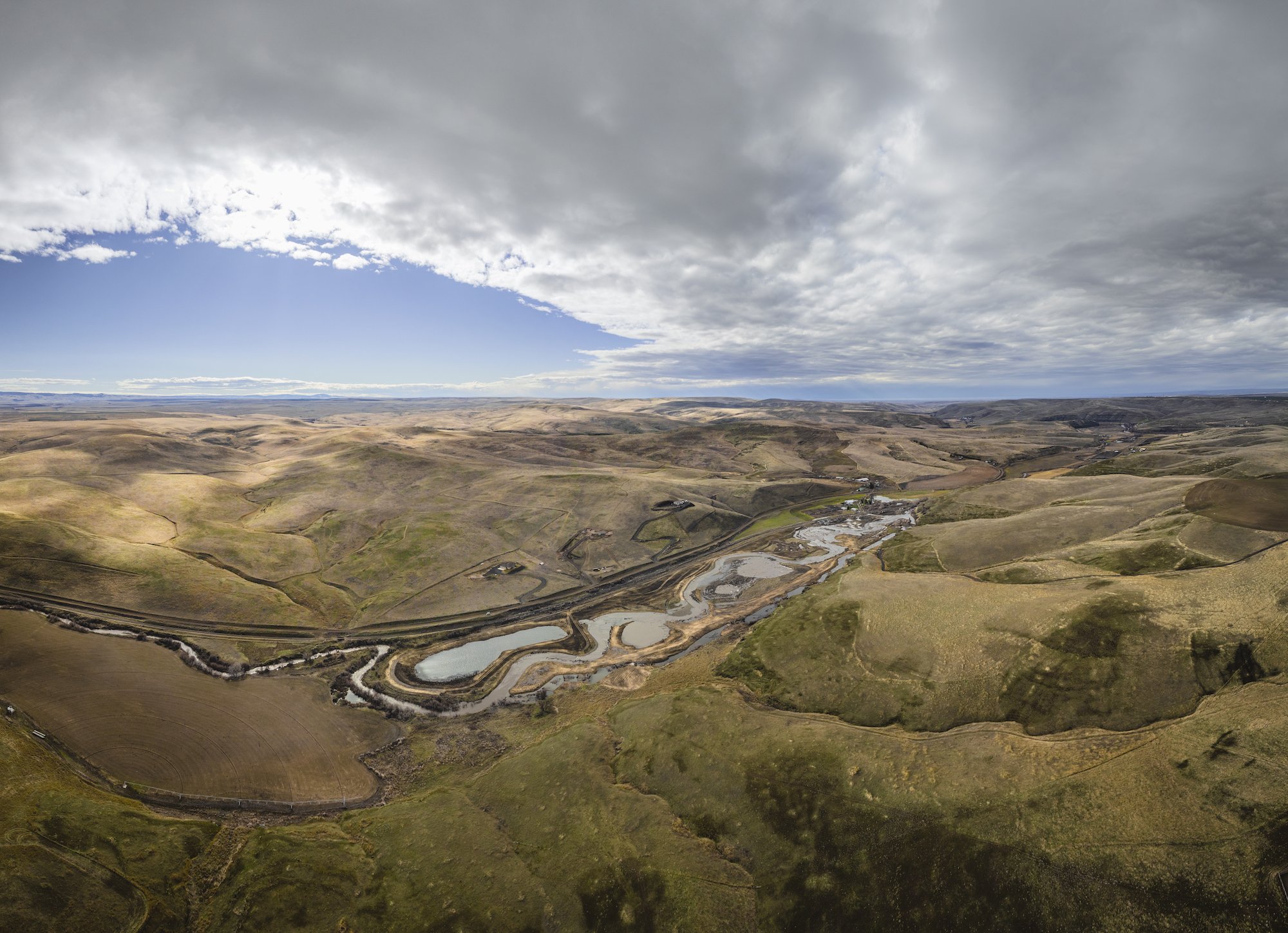
A healthier Touchet River for fish, farms, and future generations is now assured.

Join us in celebrating a year of achievements and gratitude in our latest Impact Report. As we look ahead, this year’s report features 25 years of community-driven conservation shaping the future of the Blue Mountain region.
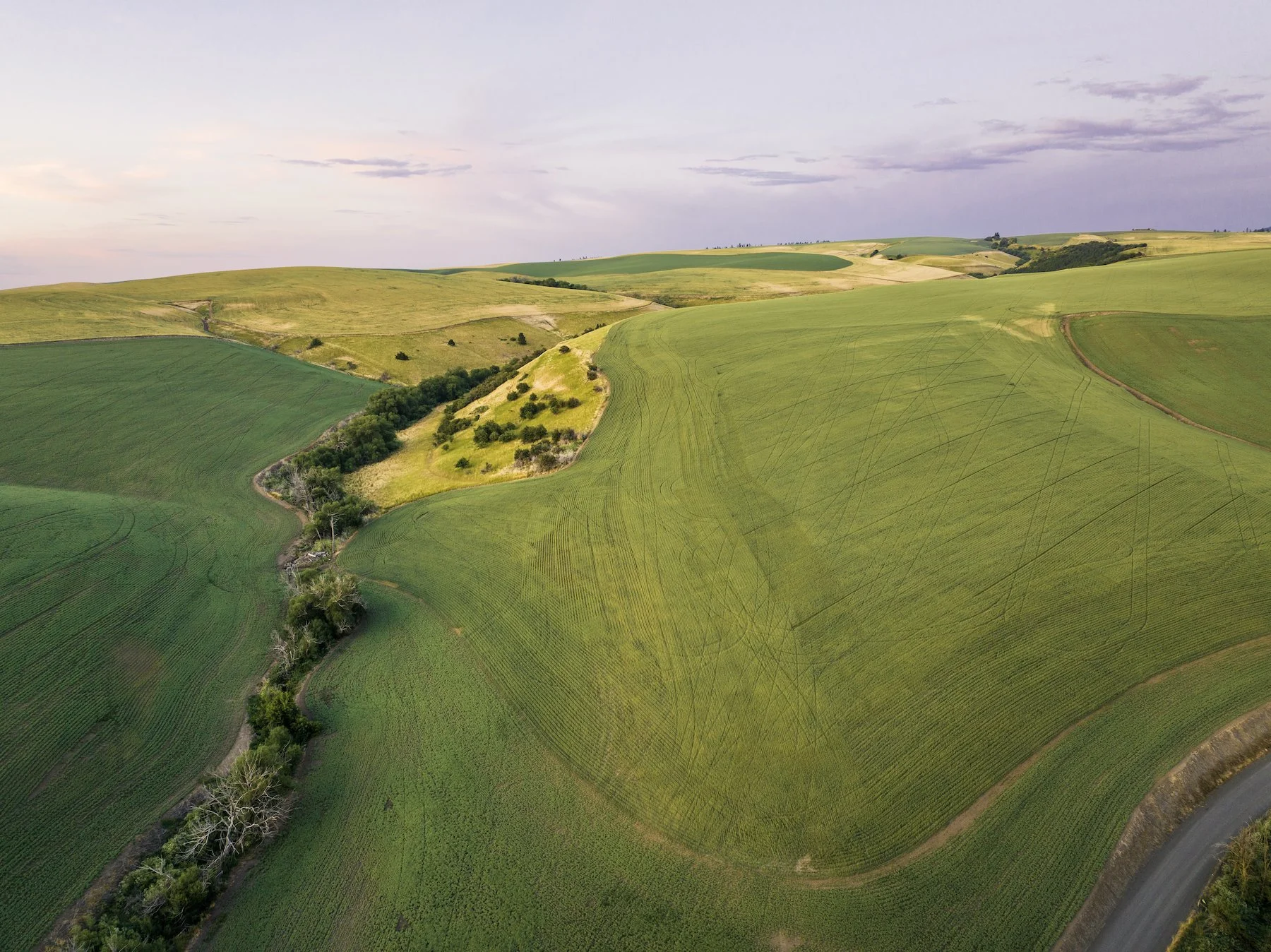
BMLT recently completed our 19th conservation easement project on a wheat farm outside of Dixie, WA, adding 661 acres to our protected properties for a total of 23,313 acres protected. A majority of this farmland contains soils of statewide significance, a precious resource if developed, will never recover. Thanks to members of the BMLT community, the Eagleson family, and project funders, the farm will continue as productive agricultural land forever.
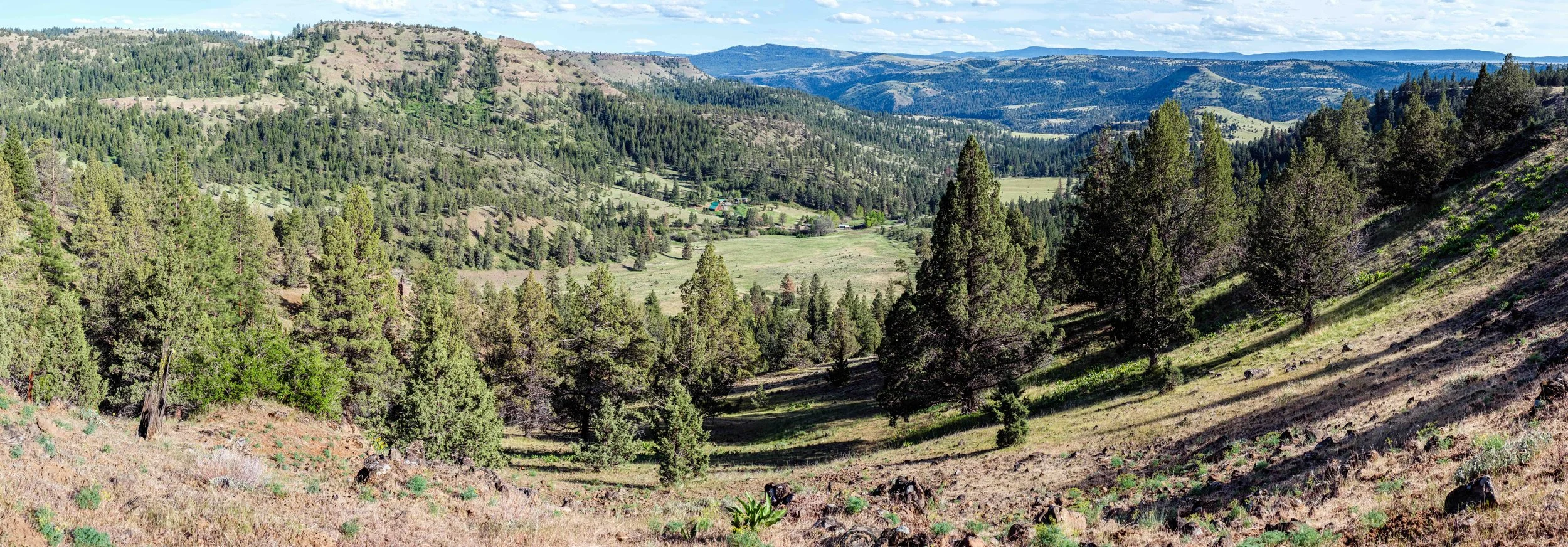
The Blue Mountain Land Trust (BMLT) recently completed a project to protect 8,877 acres of property in eastern Oregon, the largest working lands conservation easement for the organization. Secret Valley Ranch represents a model for the protection of viable working ranch land in tandem with conservation values, ensuring a healthy future for the operation, landscape, fish, and wildlife.
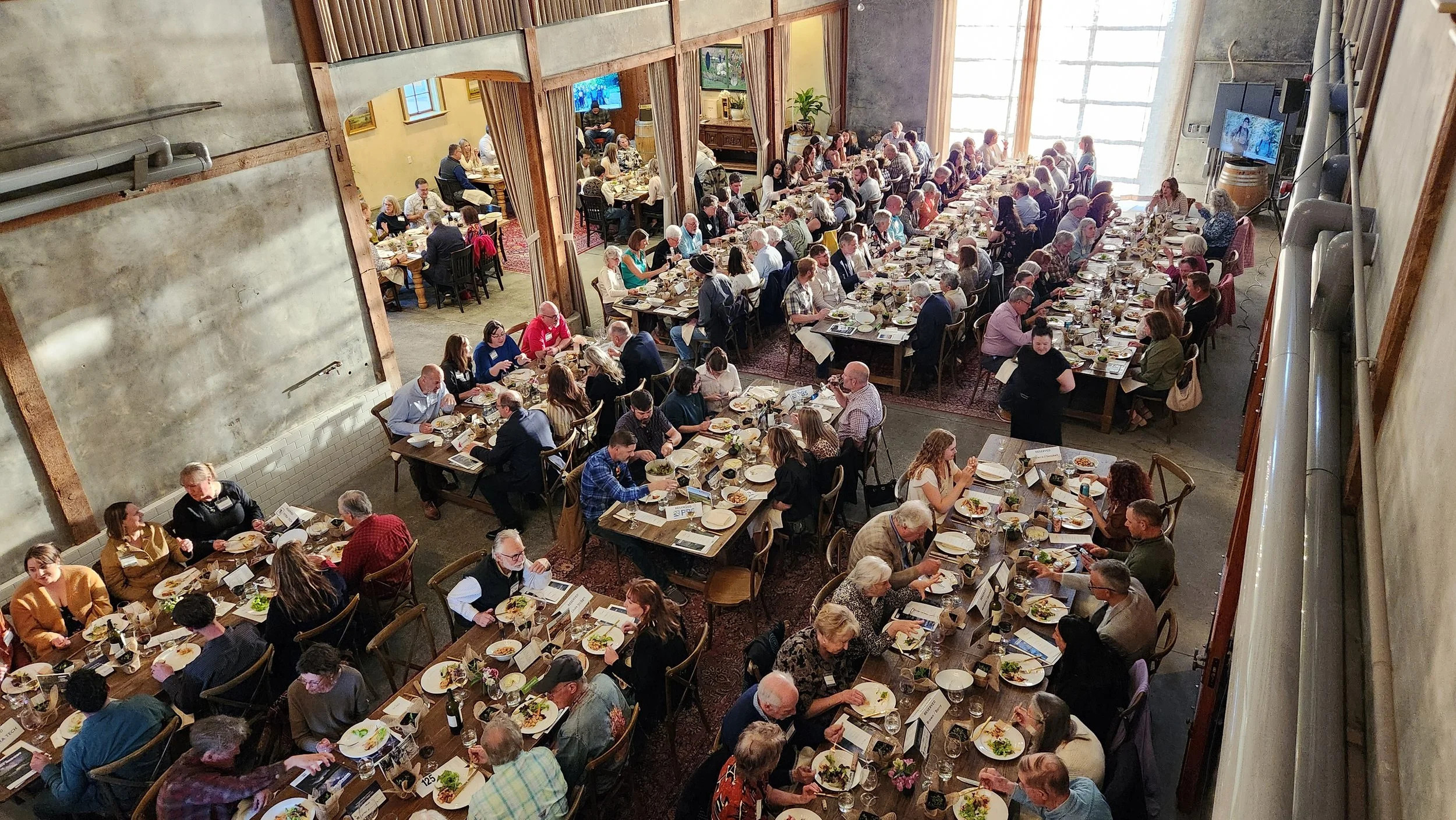
Blue Mountain Land Trust is deeply grateful to everyone who made Celebrate the Blues an unforgettable evening! Together, we raised funds to support our work at this sold-out event with 150 attendees. These funds will directly support our work to protect the lands and waters of the Blue Mountain region for people, wildlife, and agriculture.
Blue Mountain Land Trust invites you to complete a short survey to share what worked well and what you would like to see next.
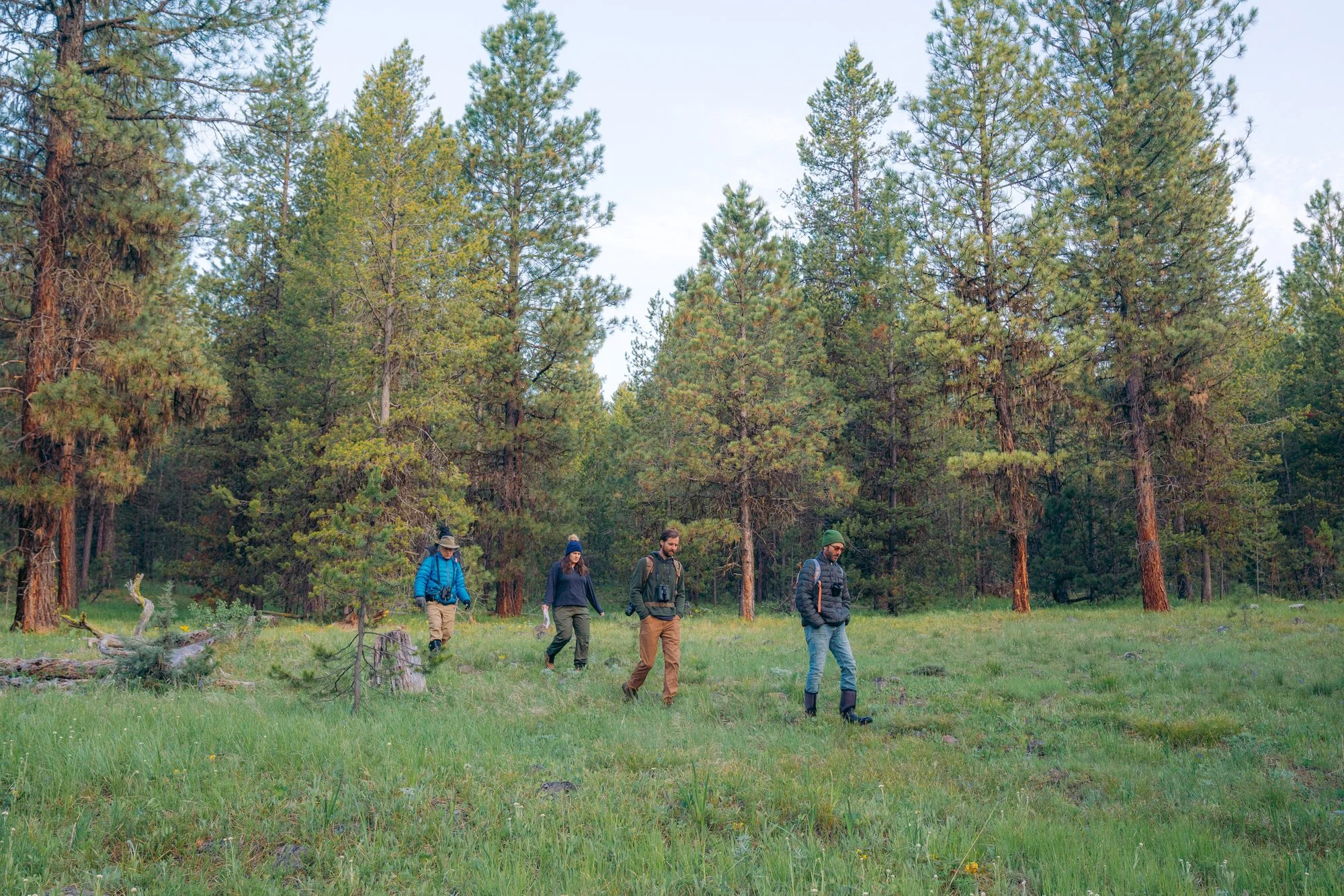
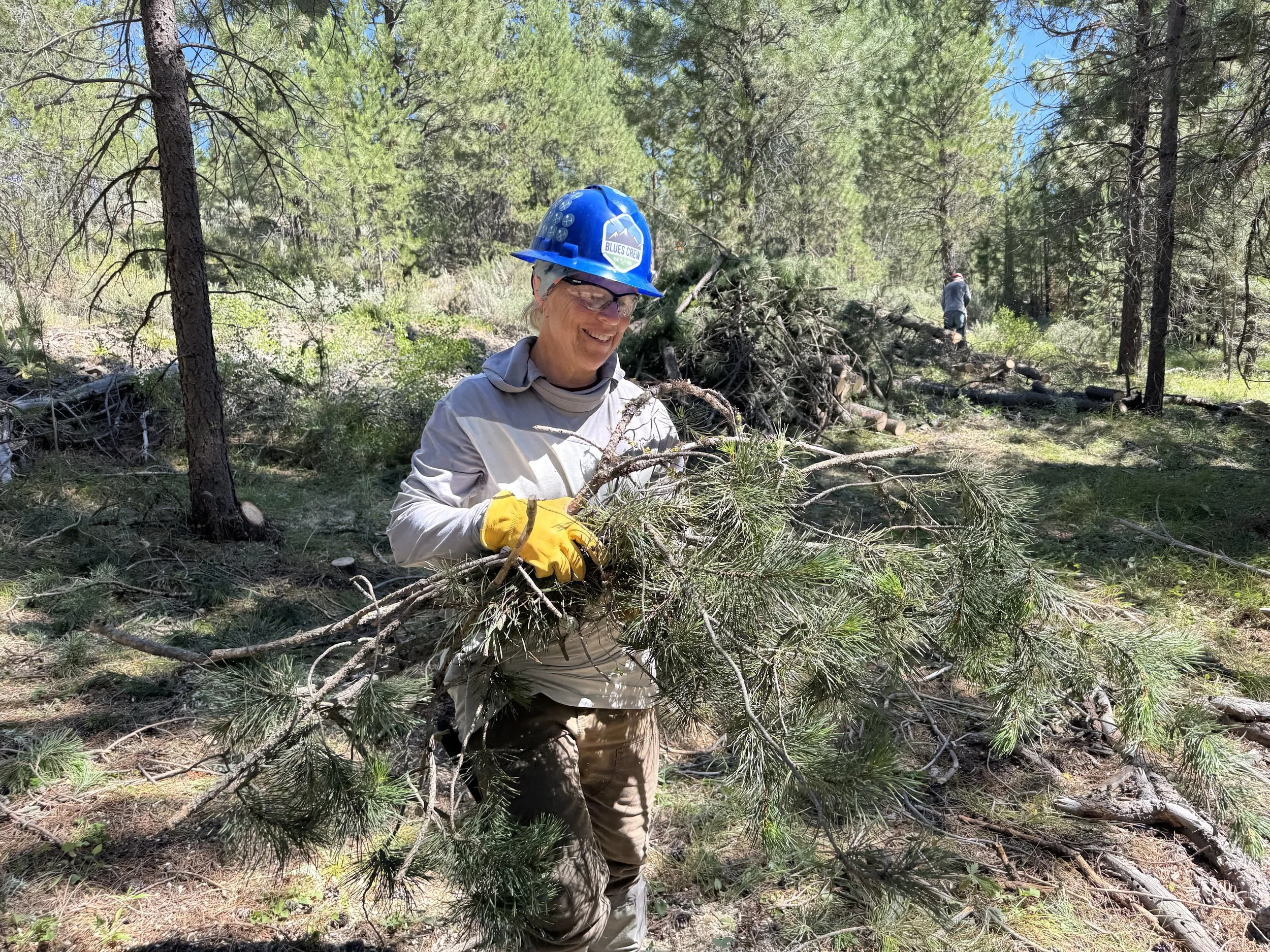
In July 2025, Blue Mountain Land Trust (BMLT) launched the next phase of restoration at Phipps Meadow by hosting its first upland-focused volunteer work party. This work marks an essential step toward improving forest health, reducing wildfire risk, and creating more diverse native habitat for upland birds and wildlife.
Blue Mountain Land Trust (BMLT) is taking bold action to secure the future of Hayshaker Farm, a 11.53-acre farm and regional food hub on the edge of College Place, WA. With development rapidly encroaching and the current landowner prepared to sell, this property, farmed since the early 1900s, was at risk of being lost to residential development. BMLT stepped up to purchase the property, keeping the land in agriculture and accessible to the farming community. Hayshaker Farm is the second property BMLT owns, the first located in Washington, and a major step to protect local food systems.
Blue Mountain Land Trust is deeply grateful to everyone who made Celebrate the Blues an unforgettable evening! Together, we raised funds to support our work at this sold-out event with 150 attendees. These funds will directly support our work to protect the lands and waters of the Blue Mountain region for people, wildlife, and agriculture.
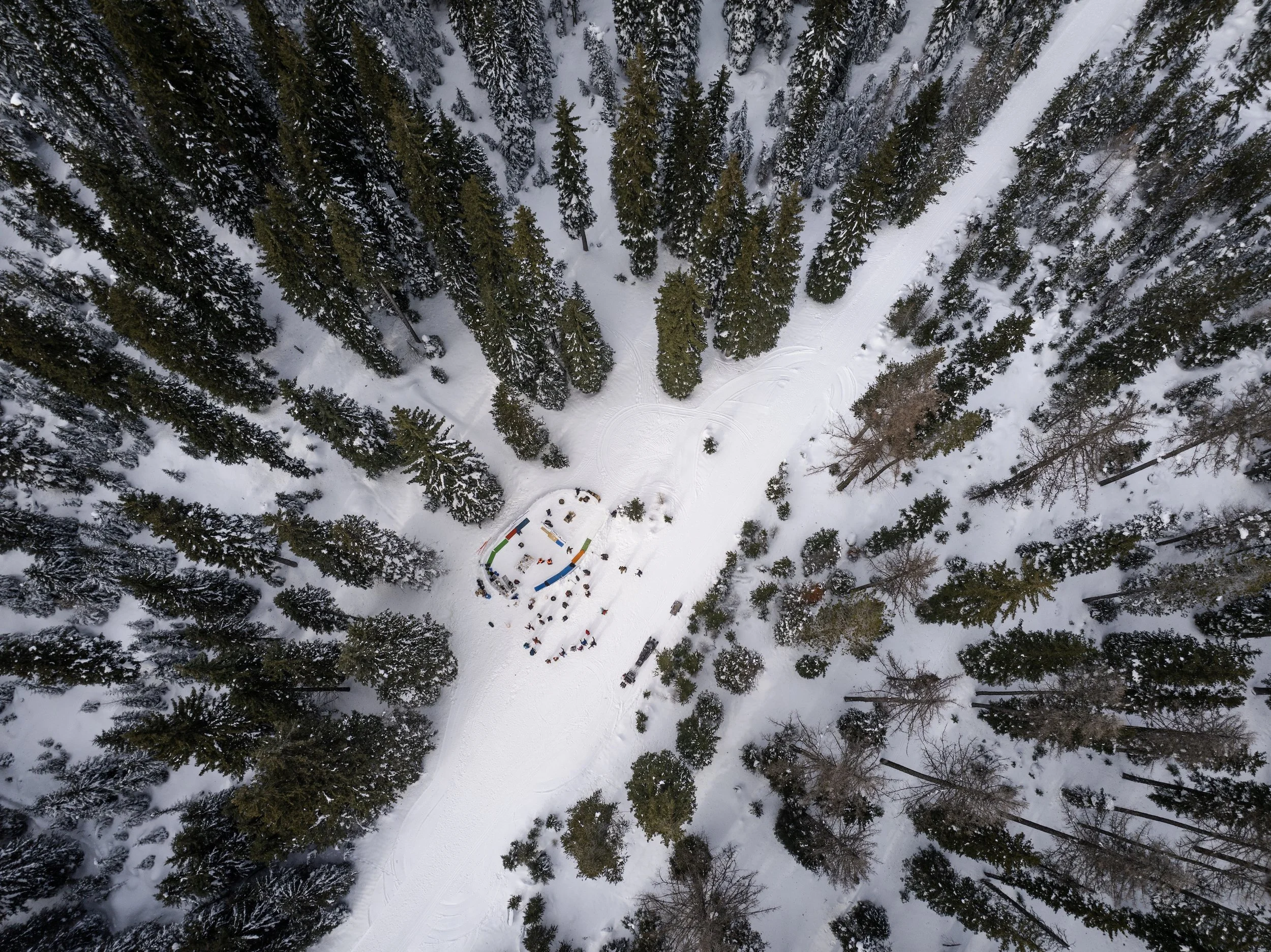
Blue Mountain Land Trust is excited to announce the return of Learning on the Land, a series of guided outdoor events designed to deepen our connection to the land and one another. This community-centered program offers a range of hands-on experiences in ecology, restoration, and recreation, led by regional naturalists and partner organizations.
As farmland disappears across the Pacific Northwest, protecting agricultural land has never been more urgent. Blue Mountain Land Trust (BMLT) is excited to announce the permanent protection of Welcome Table Farm, a 24.62-acre diversified vegetable farm located on the south side of Walla Walla. Through a conservation easement, this protection ensures that the land will remain in agricultural production while safeguarding critical fish and wildlife habitat along Yellowhawk Creek.
The land trust accreditation program recognizes land conservation organizations that meet national quality standards for protecting important natural places and working lands forever. Blue Mountain Land Trust is pleased to announce it is applying for renewal of accreditation. A public comment period is now open.
The project site is upstream from its convergence with the Umatilla River and is a 60.5-acre parcel, including half a mile of Birch Creek. Located on private property, the site will be under a non-development and restoration easement on 943 acres, including water rights to be left instream in perpetuity among the landowner, Blue Mountain Land Trust and Bonneville Power Administration.
Blue Mountain Land Trust (BMLT) is seeking passionate and dedicated individuals to join our Board of Directors. As a member of our Board, you will play a crucial role in guiding the strategic direction of BMLT and ensuring the long-term protection of the landscapes, wildlife, and communities of southeast Washington and Eastern Oregon.
Join us in celebrating a year of achievements and gratitude in our latest Impact Report. As we look ahead, this year’s report features 25 years of community-driven conservation shaping the future of the Blue Mountain region.